





















HEALTH INFORMATION: HOW TO PREVENT AND CONTROL THE FLU?
Date Submitted: 10/10/2025
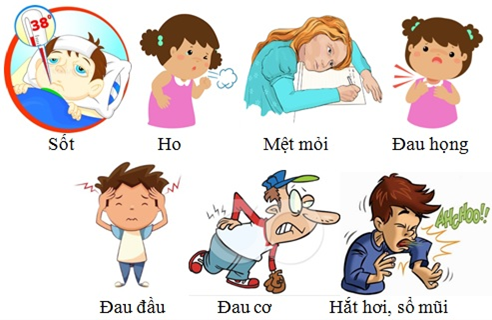
Seasonal flu is an acute infectious disease characterized by symptoms such as fever, headache, muscle pain, fatigue, runny nose, sore throat, and cough. The main causative agents are influenza viruses A (H3N2), A (H1N1), B, and C. The disease spreads rapidly through the respiratory tract via tiny droplets of saliva or nasal secretions from sneezing or coughing. There is currently no specific treatment; management focuses on proper care, strengthening physical health, and monitoring symptoms to prevent secondary infections and transmission to others.
The flu usually has mild symptoms and resolves within 2–7 days. However, for children, the elderly, and people with weak immune systems—especially those with chronic heart, lung, kidney, metabolic, or hematologic diseases—the illness can become more severe, leading to complications and even death if not treated promptly. The most effective prevention method is proactive flu vaccination.
1. MEASURES TO PREVENT THE FLU
To proactively prevent influenza A and protect your own health, your family, and the community, please follow these specific preventive measures:
1.1. Maintain Proper Personal Hygiene
- Wash hands frequently with soap, especially before eating, after using the restroom, or after contact with sick individuals.
- Gargle daily with saline solution.
- Cover your mouth and nose when coughing or sneezing.
1.2. Ensure a Clean Living Environment
- Regularly clean your home and disinfect household items and floors.
- Eliminate standing water (in buckets, basins, tires, etc.) to prevent mosquito breeding and reduce the risk of dengue fever.
1.3. Stay Up to Date with Vaccinations
- Ensure children receive full and timely vaccinations according to the national immunization schedule.
- Get the annual flu vaccine as recommended by the Ministry of Health.
1.4. Strengthen the Immune System
- Eat a balanced diet rich in nutrients, especially vitamin C and minerals.
- Get enough sleep and exercise regularly.
- Keep your body warm and avoid cold exposure, especially early in the morning and at night.
2. MEASURES TO TAKE WHEN FLU SYMPTOMS APPEAR
When experiencing symptoms such as fever, cough, shortness of breath, or rash, parents and students should:
- Wear a mask and limit contact with others.
- Go to the nearest medical facility for examination and timely treatment. Do not self-medicate.
We wish all parents, students, and families good health and well-being.
Educational Information and Knowledge Other

Understanding Popular International Education Programs

Mastering Effective Study and Rest: Unlock Your Academic Potential
